Seasonal Strategies for Managing Mental Health: Tips for Fall and Winter
Understanding Seasonal Changes and Mental Health
As the days grow shorter and temperatures drop, it's not uncommon for many people to experience shifts in their mental health. These changes can be attributed to a variety of factors, including less exposure to sunlight and changes in daily routines. Understanding these shifts is crucial in developing effective strategies to maintain mental well-being during fall and winter.
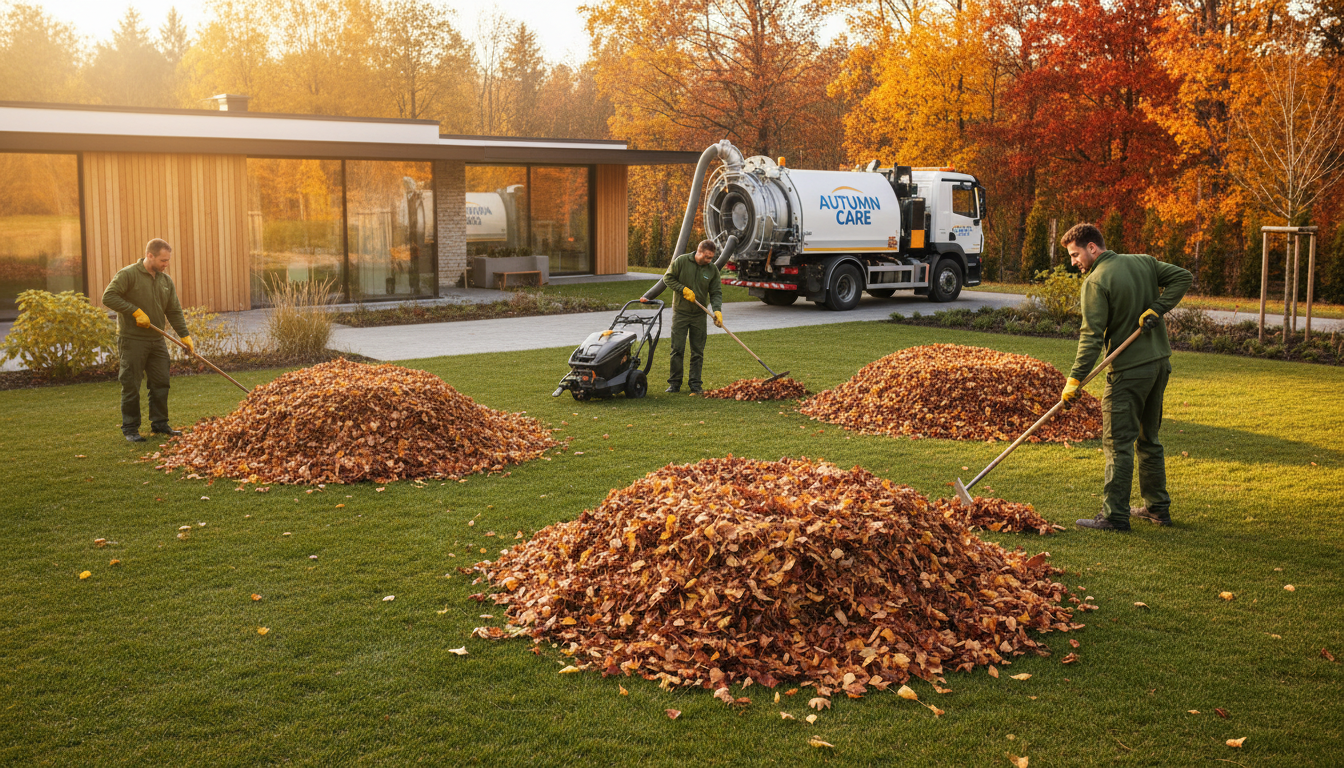
Seasonal Affective Disorder (SAD) is a well-known condition that can affect individuals during these months. However, even those not diagnosed with SAD may notice a dip in their mood or energy levels. Recognizing early signs of these changes allows for proactive management, ensuring a smoother transition into the colder months.
Embrace the Outdoors
One effective way to combat seasonal changes is by embracing the outdoors. Even as the weather cools, spending time outside can significantly boost your mood. The natural light, even on cloudy days, helps regulate your body's internal clock and can improve emotional health.
Consider incorporating outdoor activities into your routine. Whether it's a brisk walk in the park or a weekend hike, staying connected with nature can be revitalizing. It's also an excellent opportunity to engage in physical activity, which is beneficial for mental health.

Create a Cozy Indoor Environment
As we spend more time indoors during fall and winter, creating a cozy and welcoming environment can positively impact mental health. Simple changes, like adding warm lighting or soft blankets, can transform your space into a comforting retreat.
Engage in activities that bring joy and relaxation, such as reading a good book, practicing a hobby, or listening to music. Surrounding yourself with soothing elements can make a significant difference in your overall well-being.
Stay Connected with Others
Maintaining social connections is vital for mental health, especially during the colder months when isolation can become more prevalent. Make an effort to reach out to friends and family regularly, whether through phone calls, video chats, or in-person visits.

Consider organizing small gatherings or joining community groups to foster a sense of belonging. Engaging with others not only provides emotional support but also offers a chance to share experiences and strategies for coping with seasonal changes.
Practice Mindfulness and Self-Care
Incorporating mindfulness and self-care practices into your daily routine can help manage stress and improve mental clarity. Simple techniques like meditation, yoga, or deep breathing exercises can be powerful tools to maintain mental balance.
Additionally, prioritize self-care activities that resonate with you. Whether it's taking a long bath, journaling, or cooking a favorite meal, dedicating time to nurture yourself can enhance your emotional resilience.
Seek Professional Support if Needed
If you find that seasonal changes significantly impact your mental health, seeking professional support can be beneficial. Therapists and counselors are equipped to provide guidance and strategies tailored to your needs.
Remember, reaching out for help is a sign of strength, not weakness. Early intervention can prevent more severe mental health challenges and promote long-term well-being.

By adopting these seasonal strategies, you can effectively manage your mental health during fall and winter, ensuring a positive and fulfilling experience throughout the colder months.